For most of modern history, people—women and men alike—have trusted that the products they put on their skin were safe. Lipstick, baby powder, shampoo, lotion — these were treated as simple, harmless parts of everyday life.
But the story of beauty rituals is far older than the drugstore shelves of the 1940s.
Humans have always adorned themselves.
Thousands of years ago, ancient Egyptians lined their eyes with kohl made from galena and lead salts — a practice shared by both men and women, tied to beauty, protection, and spirituality. Roman and Greek elites powdered their faces with white lead. Persian warriors dyed their beards with henna before battle. Indigenous cultures across the world used botanical pigments for ceremony, identity, and art.
In the French court, powdered wigs, rouge, face paints, and scented balms were worn by men as routinely as women — a symbol of elegance, status, and theatrical self-expression. Georgian men used white face powder; Japanese kabuki actors wore oshiroi; Victorian gentlemen used pomades, skin creams, and hair tonics.
Cosmetics were never just a “women’s thing” — they were cultural, social, and deeply human.
These traditions reveal something timeless:
people have always experimented with appearance long before understanding how ingredients interacted with the body.
Fast-forward to the 20th century, and that pattern quietly continued.
From the 1940s through the early 2000s, many personal-care and household products contained chemicals we now know had powerful and sometimes harmful effects on health — especially during pregnancy and early development.
And most women were never told. Most men weren’t either.
— the kind that helps you make choices rooted in clarity, not fear. So here’s a gentle, honest look at what past generations were exposed to, how certain products quietly shaped public health, and why clean, transparent beauty matters today more than ever.

The Quiet Chemical Era
Throughout the mid-20th century, everyday products often contained ingredients that science later identified as:
Some of the most common examples included:
-
Lead in lipstick
-
Mercury in skin creams
-
Talc with asbestos in baby powder
-
Phthalates hidden under the word “fragrance”
-
BPA in baby bottles and formula can linings
-
PFAS (“forever chemicals”) in non-stick pans and waterproof clothing
-
Coal tar dyes & carbon black in makeup
-
Pesticide residues in food and home products
Women weren’t doing anything wrong — they were using what the world told them was normal.
But these chemicals weren’t harmless.
A Legacy That Shaped Generations
These exposures crossed the placenta, entered breastmilk, and were stored in fat and reproductive tissue.
Scientists now know they contributed to:
-
changes in puberty timing
-
lowered sperm counts across whole populations
-
fertility challenges for both women and men
-
increased risk of miscarriage
-
higher rates of hormone-related conditions (PCOS, fibroids, endometriosis)
-
thyroid disruption
-
subtle developmental changes we may never fully measure — including shortened anogenital distance (AGD) in male infants, a marker of altered prenatal hormonal development
-
inflammatory and immune issues
Some effects showed up immediately
Others only appeared decades later — when those exposed as babies grew up and tried to start families.
The footprint is larger than we’ll ever be able to quantify.

Why Clean Beauty Isn’t a Trend — It’s a Course Correction
For decades, people used the products they truly believed were safe.
A good mother put sunscreen on her baby.
A caring parent used baby oil after bath time.
Everyone wore eyeliner, powders, perfumes — because that was simply what the world trusted.
No one knew these ingredients carried risks.
And no one was doing anything wrong.
It’s only in recent years, as research has evolved, that we’ve begun to understand the long-term effects of certain chemicals — especially on babies, pregnant people, and developing bodies.
And with new knowledge comes the chance to do better.
Today, people want transparency.
They want ingredients they can pronounce.
They want products that respect the body instead of burdening it.
Clean beauty is not a marketing movement — it’s a thoughtful response to decades of invisible exposure.
At Solomé, we believe beauty should feel safe.
It should feel gentle.
It should support your body, not challenge it.
That’s why every formula we create follows three principles:
Rule #1: Do No Harm
If an ingredient has a question mark — it doesn’t belong in your routine.
#2 Radical Transparency
You deserve to know exactly what you’re putting on your skin.
#3 Nature First, Science Always
We combine simple, plant-based ingredients with evidence-informed formulation.
Because the future of beauty isn’t about covering up.
It’s about caring.

Solomé Natural Beauty Set: refillable lip & cheek color, mineral tinted moisturizer, and natural flower essence perfume (no harmful 'fragrance') — clean, natural skincare for timeless beauty.
A New Era for Women, Mothers, and Future Generations
We can’t change what past generations were exposed to.
But we can protect the next one.
And that is the heart of Solomé Beauty — creating products women can trust, so that what touches your skin is as pure as your intentions.
A gentler world starts with the choices we make every day.
And we’re honored to make those choices with you.
Why These Products Are Important Historical Evidence
-
As early as the 1800s–1900s, beauty cosmetics used dangerous materials — lead, mercury, arsenic, radium, coal tar — to create what was considered “healthy” or “glamorous.” Historic Mysteries+2blog.sciencemuseumgroup.org.uk+2
-
Over decades, heavy metals, radioactive compounds, and persistent pollutants accumulated in bodies (not just skin), crossed placentas, and increased cancer, fertility, immune and developmental risks. Mesothelioma Center+2History Oasis+2
-
Even after regulations tightened, many products remained controversial: talc with asbestos, ‘fragrance’ masking phthalates, PFAS in packaging, coal-tar dyes, undisclosed toxins. EWG+2Wikipedia+2
-
This widespread exposure over decades created a massive health burden that often goes unrecognized — especially with long-latency diseases and multi-generation effects.
Modern Products With Ingredients Still Under Health Scrutiny
These examples are not “dangerous products” in themselves — they’re simply widely sold items that contain ingredient types scientists and regulatory bodies continue to evaluate. The goal is education, not alarm.

A 1920s advertisement for talcum powder — showcasing how beauty, hygiene, and advertising intersected in earlier eras. Talc (often contaminated with asbestos) — probable ovarian cancer & mesothelioma risk after decades of use.” Mesothelioma Center+1
1. Mineral-Oil Baby Oils (the classic “baby oil” category)
“Baby oil” is traditionally just highly refined petroleum-derived oil with added fragrance. The concerns often center on the fragrance component and the petroleum origin:
-
Fragrance can contain dozens of undisclosed chemicals, many of which fall under the “fragrance/parfum” umbrella and don’t have to be individually listed.
-
These fragrance blends sometimes include:
-
Phthalates (used to make scents last longer; associated with hormone disruption)
-
Synthetic musks (linked to bioaccumulation and potential reproductive effects)
-
Allergens and sensitizers that can irritate delicate or developing skin
-
Most synthetic fragrances are petroleum-derived, adding another layer of exposure some families prefer to avoid.
-
Infants and pregnant people are more vulnerable to fragrance chemicals due to thinner skin and developing systems.
-
And because mineral oil forms an occlusive layer, it can trap any irritating components on the skin for longer.
For these reasons, many health-conscious families now choose simple plant-based oils (such as grapeseed, sunflower, or jojoba) as a gentler post-bath moisturizer — minimizing fragrance exposure while nourishing the skin naturally.
2. Talc-Based Loose Powders (common across many brands)
This isn’t about any specific company — it’s about talc as an ingredient category.
Regulators and independent researchers continue to highlight concerns with talc when used in loose or aerosolized form because:
-
Inhalation risk: Fine talc particles can be respirable, and inhalation (especially chronic) is considered a health concern.
-
Contamination potential: Talc is mined from the earth near asbestos, so purity testing is critical. This contamination risk, not talc itself, is what drives many modern warnings.
-
Gynecological concerns: Epidemiological studies link long-term perineal talc use to increased ovarian cancer risk — not conclusively, but enough that several governments classify talc as a possible carcinogen.
Because loose powders disperse easily into the air, many people choose cornstarch or mica alternatives as a precaution.
3. Chemical-Filter Sunscreens (found in many mainstream SPF lotions)
Again, this is not about any one brand — it’s about the UV filter category.
Common chemical filters such as oxybenzone, octinoxate, homosalate, and octocrylene are being re-evaluated because:
-
They are systemically absorbed, shown in multiple biomonitoring studies.
-
Several have been flagged for endocrine-disrupting activity at certain exposure levels.
-
Some filters have ecological impacts, leading to bans in Hawaii and other regions due to coral reef toxicity.
Regulators generally consider mineral sunscreens (zinc oxide, titanium dioxide) the safest options for both humans and the environment.
Why Ingredient Caution Still Matters Today
1. Exposures are cumulative
We aren’t typically harmed by one use, but daily, lifelong exposure — especially from multiple products — adds up. People may use:
-
Powder
-
Sunscreen
-
Lotion
-
Deodorant
-
Shampoo
-
Makeup
-
Fragrance
Each contributes small, repeated exposures over decades.
2. Regulatory science moves slowly
Ingredients often stay on the market for many years while research evolves. Something can be legally allowed but still under scientific scrutiny.
3. Babies, children, and pregnant individuals are uniquely vulnerable
Developing skin and endocrine systems absorb and react differently to certain chemicals. Many consumers choose to reduce questionable ingredients during these life stages out of precaution.
What This Means for Clean Beauty & Conscious Consumers (like Solomé clients)
Your instincts — to question “popular trusted” brands and to favor ingredient transparency, minimalism, and clean formulations — are exactly what protects people from invisible harm. The fact that commonly sold products still carry risk shows that:
-
Regulation remains weak — many harmful ingredients are not outright banned; they’re simply “allowed until proven harmful.”
-
Consumer vigilance is the only real defense — reading labels, avoiding suspicious ingredients (like talc, “fragrance,” strong chemical UV filters, petroleum-derived oils), favoring mineral-based or plant-based alternatives.
-
Trust must be earned, not assumed. A long history doesn’t guarantee safety.
Common Conventional Products & Ingredient Red Flags
Here are 20+ types of products that frequently contain ingredients linked to endocrine disruption, carcinogenicity, or reproductive/immune risk — i.e. products that are worth avoiding or at least auditing closely. These cover cosmetics, skincare, hair care, nail care, and general personal-care items.
| Product type / Use |
Common Risky Ingredients / Issues |
Why It’s Risky / What to Watch Out For |
| Everyday skincare (lotions, creams, moisturizers) |
Parabens; synthetic fragrance; petrolatum/mineral oil; PFAS; formaldehyde-releasing preservatives (e.g. DMDM hydantoin, quaternium-15) |
Parabens & fragrance = hormone disruptors; mineral-oil/tar-derived oils may carry PAHs & impede skin detox; PFAS = persistent chemical, hormone/immune disruptor; formaldehyde-releasers = carcinogen/irritant EWG+2Safe Cosmetics+2
|
| Makeup (foundation, powder, eye/face cosmetics, pressed powders) |
Talc (especially in powders/setting powders), coal-tar dyes, synthetic dyes, petrochemical-derived pigments, PFAS, “fragrance,” synthetic preservatives |
Talc may be contaminated with asbestos — lung/ovarian-cancer risk; coal-tar dyes & synthetic pigments may include carcinogens/heavy metals; PFAS interfere with hormones/immune; preservatives & fragrance may be endocrine disruptors or irritants Schweiger Dermatology Group+2EWG+2
|
| Sunscreens (chemical-filter types) |
Oxybenzone, octinoxate, homosalate, other chemical UV filters, preservatives, petroleum-derived carriers |
Many chemical filters absorb through skin, act as endocrine disruptors; may bioaccumulate; risk of hormone disruption, reproductive effects Safe Cosmetics+1
|
| Fragranced products (perfume, body spray, scented lotions, deodorants, haircare) |
“Fragrance / parfum” (often hides dozens of unlabeled chemicals), phthalates (especially in older formulas), synthetic musks, solvents |
Phthalates & many fragrance components linked to hormonal disruption, developmental and reproductive harm, allergies, immune disruption Health+2EWG+2
|
| Hair products: dyes, relaxers, straighteners, perms, shampoo/conditioner |
Coal-tar dyes (e.g. p-phenylenediamine), ethanolamines (DEA, MEA, TEA), formaldehyde-releasing preservatives, synthetic dyes, sulfates |
Coal-tar dyes = skin/immune/cancer risk; ethanolamines + sulfates can irritate, impair skin barrier, cause reproductive harm; preservatives can release formaldehyde (carcinogen) mccoyfitness.ca+2EWG+2
|
| Nail polishes & artificial nail products |
Toluene, dibutyl phthalate (DBP), formaldehyde / formaldehyde-releasers, solvents, plasticizers, chemical dyes |
Toluene & DBP = reproductive toxins; the solvent/plasticizer mix = hormone disruption; repeated inhalation or skin contact accumulates risk Safe Cosmetics+1
|
| Body powders & dry powders (baby powder, dusting powders) |
Talc (risk of asbestos contamination), synthetic fillers, dyes, fragrance |
Talc/asbestos risk for lung, ovarian, uterine cancers; inhalation of fine dust increases risk; many powders use untreated talc, not asbestos-scrubbed. Schweiger Dermatology Group+1
|
| “Water-resistant” / “long-lasting” cosmetics (mascaras, eyeliners, waterproof makeup) |
PFAS and related “forever chemicals,” microplastics, synthetic coatings, petrochemical resins |
PFAS = persistent in body, endocrine & immune risks; microplastics = unknown long-term absorption risks; petrochemical resins = potential contaminants. EWG+1
|
| Sunscreen-cosmetic hybrids & daily-use creams with UV filters |
Chemical UV filters, preservatives, microplastics, PFAS (in water-resistant formulas), petrochemical carriers |
Frequent daily use = chronic exposure; skin absorption + lip-ophilic carriers = systemic distribution; potential for endocrine disruption over time. Safe Cosmetics+1
|
| Shampoo, conditioner, body wash, cleansers |
Sulfates (SLS/SLES), cocamide DEA/MEA, synthetic preservatives, fragrance, PEG/PPG, silicones, chemical solvents |
Can irritate, disrupt skin barrier, allow greater absorption of toxins; preservatives/DEA derivatives have carcinogen/irritant risks; repeated daily exposure accumulates dose. Safe Cosmetics+1
|
| Petroleum-based moisturizers and baby oils |
Mineral oil, petrolatum (possible PAH contamination), petroleum distillates, solvents |
Petroleum-derived oils can carry carcinogenic PAHs; skin absorption over time accumulates heavy chemical load; not “clean regardless.” Safe Cosmetics+1
|
|
Products labeled “long-lasting,” “sweat-proof,” “waterproof,” “stain-resistant” (makeup, deodorants, foundations, sunscreens, liners)** |
PFAS, plasticizers, chemical resins, microplastics, phthalates, synthetic fragrance |
These features often require chemicals that persist in environment and human tissue — hormonally active, bioaccumulative, immunotoxic. EWG+1
|
Safer Alternatives & What to Look for Instead
When you’re building a clean-beauty routine (or advising clients), these are guideline signs or alternative ingredient types that tend to be safer, or at least lower-risk:
-
Fragrance-free or “unscented” products — avoid “fragrance / parfum” or “parfum” on the label
-
Use mineral-based sunscreens (zinc oxide, titanium dioxide) instead of chemical filters
-
Use powders and cosmetics with earth pigments, iron oxides, mineral-based colors (rather than talc, coal tar, or petrochemical pigments)
-
Choose paraben-free, phthalate-free, PFAS-free, formaldehyde-releaser-free options
-
Avoid long-lasting / waterproof / “resistant” claims — opt for simpler, more natural formulations
-
Prefer clean oil-based moisturizers that use plant oils or butters rather than petroleum-derived oils
-
Use sulfate-free cleansers/shampoos and avoid DEA/MEA/TEA, PEG/PPG, silicones if possible
-
For nail care: avoid toluene, DBP, formaldehyde — pick “3-free” or “5-free” polishes with safer solvents
-
For long-term body art or permanent makeup — avoid heavy pigments, tar-derived blacks, petrochemical dyes — insist on transparent pigment sourcing and safest alternatives
Why This List Matters
-
According to recent analyses of thousands of beauty products, 80% of personal-care products marketed to Black women still contain at least one ingredient flagged as hazardous (formaldehyde-releasers, phthalates, isothiazolinones, synthetic dyes, etc.). The Guardian+1
-
Regulatory oversight remains weak — in many countries cosmetics companies self-regulate with little required safety testing before products go to market. EWG+1
-
For a brand like Solomé, prioritizing transparency, clean formulation, minimalism not only protects clients — it builds public trust, brand integrity, and long-term health value.
-
Consumers are increasingly aware — demand for clean beauty is growing. Highlighting your safer alternatives becomes a competitive advantage and a mission-driven brand identity.

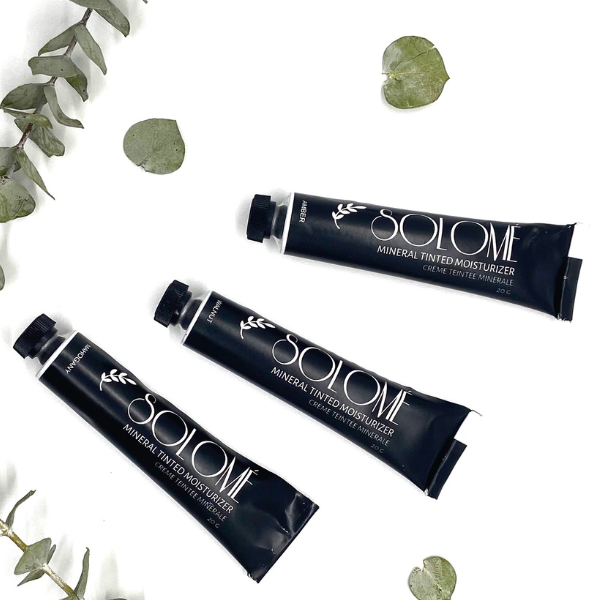
Our Mineral Tinted Moisturizer uses non-nano zinc oxide to protect your skin naturally from the sun, while providing a soft, mineral finish. A clean, mindful alternative to chemical sunscreens in mainstream cosmetics.
Nourish Yourself, Nurture the Future
Every ingredient, every choice, and every small change matters — not just for our own skin, but for our health, our families, and the world we share. At Solomé, we believe that clean beauty is more than a trend; it’s a way to honor yourself, your body, and the generations to come.
Choosing natural, thoughtful, and transparent products is a simple act of care — a gentle reminder that wellness and beauty can coexist in harmony. Let this be your invitation to slow down, embrace the rituals that nourish both body and soul, and step into each day with hope, renewal, and a sense of peace.
Because when we care for ourselves consciously, we create ripples of wellbeing that extend far beyond the mirror.


0 comments